
Acne scars
Ice pick, boxcar and rolling, and how we treat them
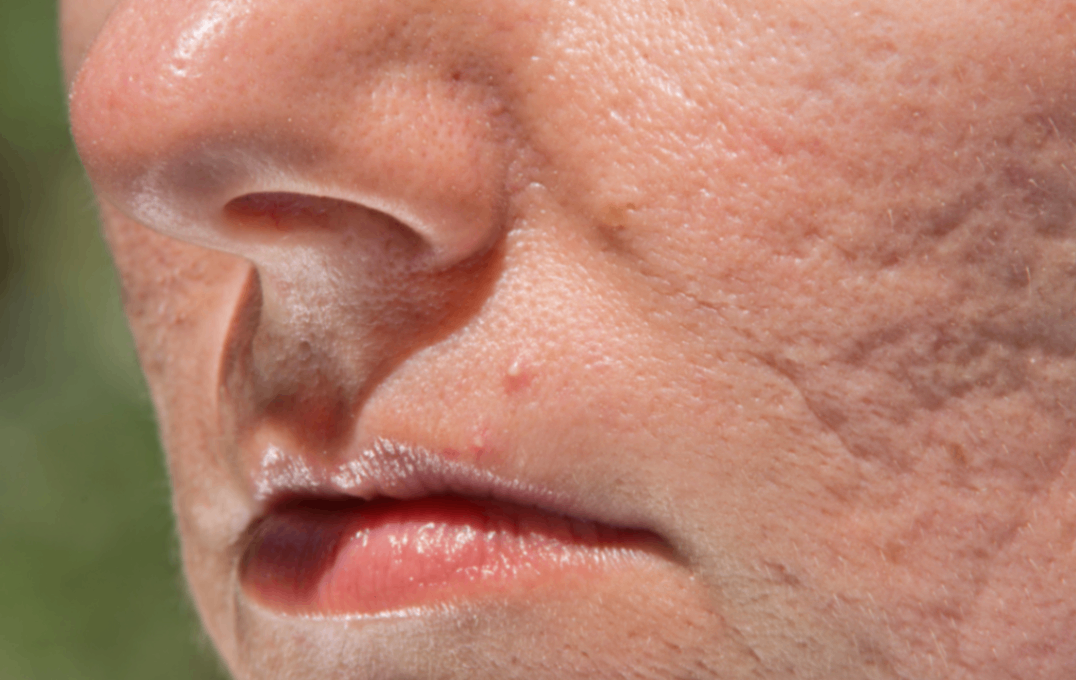
Acne can leave its mark long after the last breakout has cleared. Many of the people we see have lived with acne scars for years, sometimes decades, and assumed nothing could be done. The good news is that there is a lot we can do, and understanding your scar type is the first step.
The three main types of acne scar
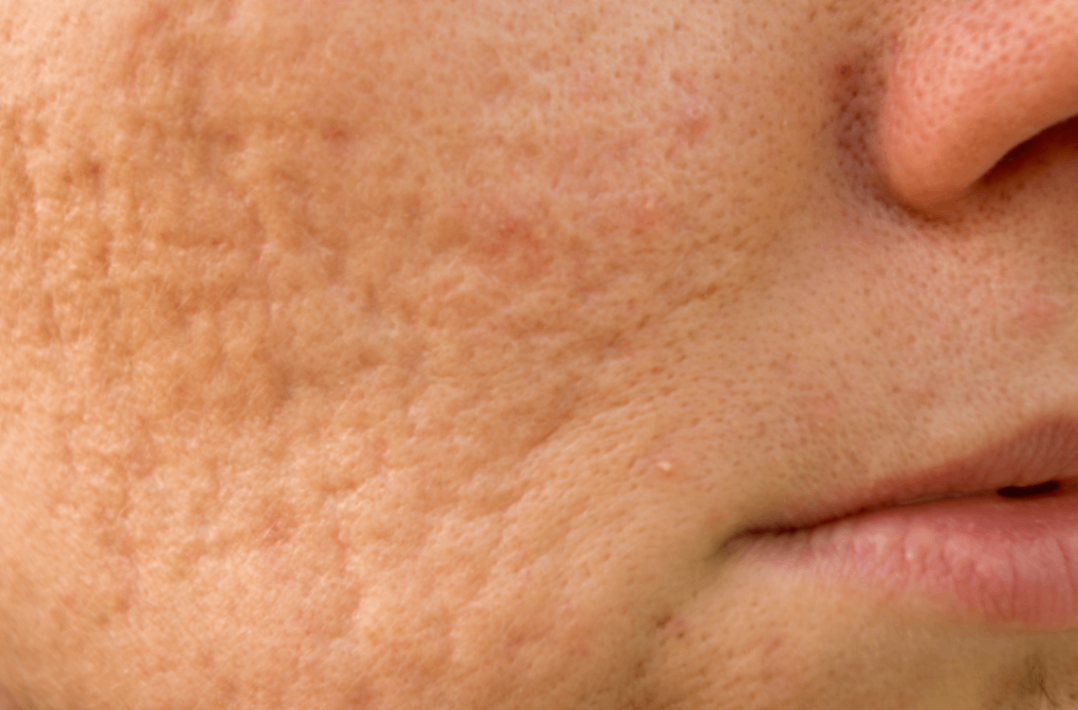
Most acne scars are atrophic, meaning they sit below the level of the surrounding skin. They are usually grouped into three types.
Ice pick scars are narrow and deep, a little like a large open pore. They are the most challenging type to improve.
Boxcar scars are wider, with sharp, defined edges and a flatter base.
Rolling scars are broad and shallow with soft edges, giving the skin a wave-like appearance. They form when bands of fibrous tissue tether the skin to the deeper layers beneath.
Most people have a mixture, which is one reason a single treatment rarely gives the best result.
Why subcision matters
Rolling scars, and many boxcar scars, are held down from underneath. Resurfacing the top of the skin cannot release that pull, so the scar simply stays where it is.
Subcision tackles this directly. After numbing the area, we pass a fine needle or cannula beneath the scar to release the fibrous bands. This allows the skin to lift, and the controlled healing that follows helps new collagen form beneath the scar.
Research supports combining the two. A study of 413 patients found that fractional laser combined with subcision was more effective than laser alone for boxcar and rolling scars. That study used a different fractional laser to ours, but it shows clearly why releasing the scar matters.
How we use the Alma Harmony
SupErb 2940 resurfaces the skin to soften the edges of boxcar scars and improve overall texture. It is our most powerful option, with a few days of recovery.
ClearSkin Pro 1540 works beneath the surface with less downtime. It also treats active acne, so it is a good choice if you are still getting breakouts.
ClearLift Pro 1064 offers gentle remodelling with minimal downtime and can help with any brown marks.
Dye-VL calms leftover redness, which can make scars look more obvious than they really are.
A word about ice pick scars
We want to be honest with you: ice pick scars are the hardest to improve. In the same study, adding subcision made no significant difference to them. They can soften with treatment, but they may respond less than other scar types, and we will always tell you what we realistically expect for your skin.
When is the right time to start?
Active acne should be under control first, as new breakouts can create new scars. If you are taking or have recently finished isotretinoin, please let us know. Expert guidance on this has changed in recent years, and we will talk through the right timing for you.
It is also worth knowing that acne scars can continue to change and soften for twelve to eighteen months after acne settles, so we take the age of your scars into account when planning.
What to expect
Most people need a course of treatments spaced several weeks apart, with results building gradually as new collagen forms. Our aim is a real, visible improvement in texture and confidence, not perfect skin, and we will review your progress with photographs along the way.
If acne scars have been knocking your confidence, book a consultation with DG Medical Aesthetics and Skin. We will look closely at your scar types and build a plan around them.