
Menopause and your skin this winter
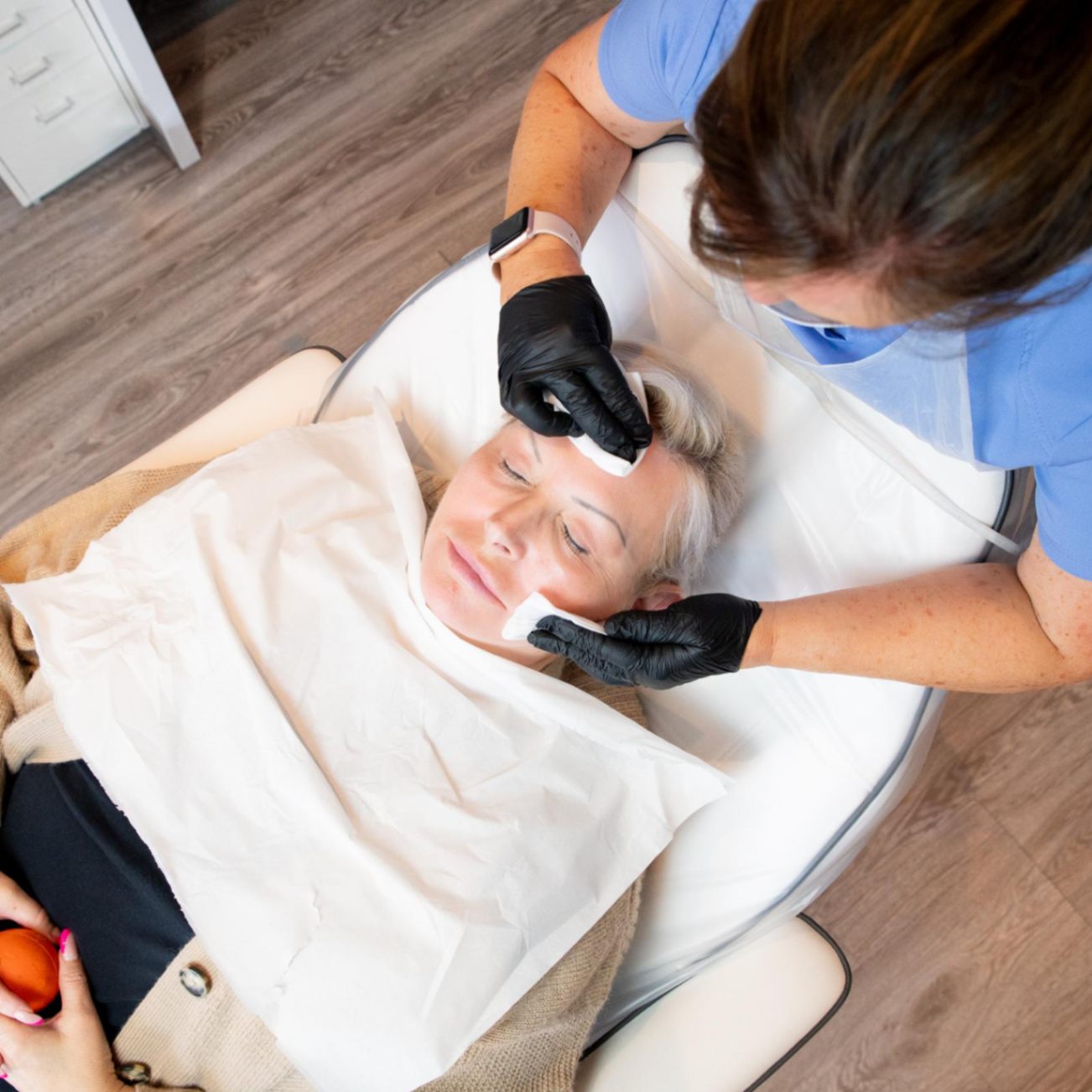
Many women notice their skin changing around perimenopause and menopause, sometimes quite suddenly. Skin that used to behave can start to feel dry, tight, sensitive or less firm. Add cold winds outside and central heating inside, and winter can make all of this feel worse.
The good news is that there is a lot we can do to help. Here is what is happening, and how we approach menopausal skin at DG Medical Aesthetics.
Why does skin change during menopause?
Oestrogen plays an important role in keeping skin hydrated, plump and firm. As levels fall, many women find their skin becomes:
Drier, with a rougher texture and fine lines that are more noticeable
Less firm, as the skin loses some of its collagen and elasticity
More sensitive or reactive, including flushing and redness
Duller or less even, sometimes with more noticeable pigmentation
Everyone's experience is different, which is why a one-size-fits-all routine rarely works.
Why winter can feel harder
Cold air outdoors and dry, heated air indoors can both draw moisture from the skin. If your skin barrier is already struggling, you may notice more tightness, flaking or irritation during the colder months.
How we can help
We offer targeted protocols for the main skin changes that come with menopause: dryness, laxity and sensitivity. Your plan might include:
Hydration and firmness. Profhilo is a bio-remodelling treatment that hydrates and firms the skin from within. Skin boosters provide deep hydration for a smoother, more radiant complexion.
Redness and pigmentation. Our Alma Harmony laser platform treats redness and pigmentation, helping to calm and even out the skin.
Texture and fine lines. Microneedling, followed by ExoCoBio rose exosomes, helps improve skin quality. For deeper lines, our 2940nm ablative laser may be suitable; we will advise whether it is right for your skin.
The right skincare at home. Menopausal skin often needs a different routine from the one that worked in your thirties. We will recommend medical-grade products that support your skin barrier without overloading sensitive skin, and adjust them as your skin responds.
Daily sun protection. Sun protection matters all year round, including on grey winter days. We recommend Heliocare and can advise on the best option for you.
A note on your overall health
Menopause affects much more than your skin. If you are struggling with other symptoms, please speak to your GP. We focus on your skin, and we are always happy to work alongside the care you receive elsewhere.
Book a consultation
Every plan starts with a face-to-face consultation and an OBSERV 520x skin analysis, so we can tailor your treatment to what your skin needs now. Book your £80 skin assessment with our nurse team, or read more on our Menopause Skin page.