
Preparing for and recovering from scar treatment:
Your questions answered
If you are thinking about scar treatment, you probably have questions. Here are the ones we are asked most often at DG Medical Aesthetics and Skin.
How many sessions will I need?
It depends on your scar type, its age, your skin tone and the treatments used. Most people need a course, spaced several weeks apart. We will give you a personalised estimate at your consultation and review your progress as we go.
Does it hurt?
We use numbing cream where needed, and comfort levels vary from person to person. Common sensations include warmth and prickling with the SupErb, a snapping feeling with ClearLift, and a quick flash of heat with Dye-VL. Subcision is carried out after numbing the area, and you may feel some pressure.
What is the downtime?
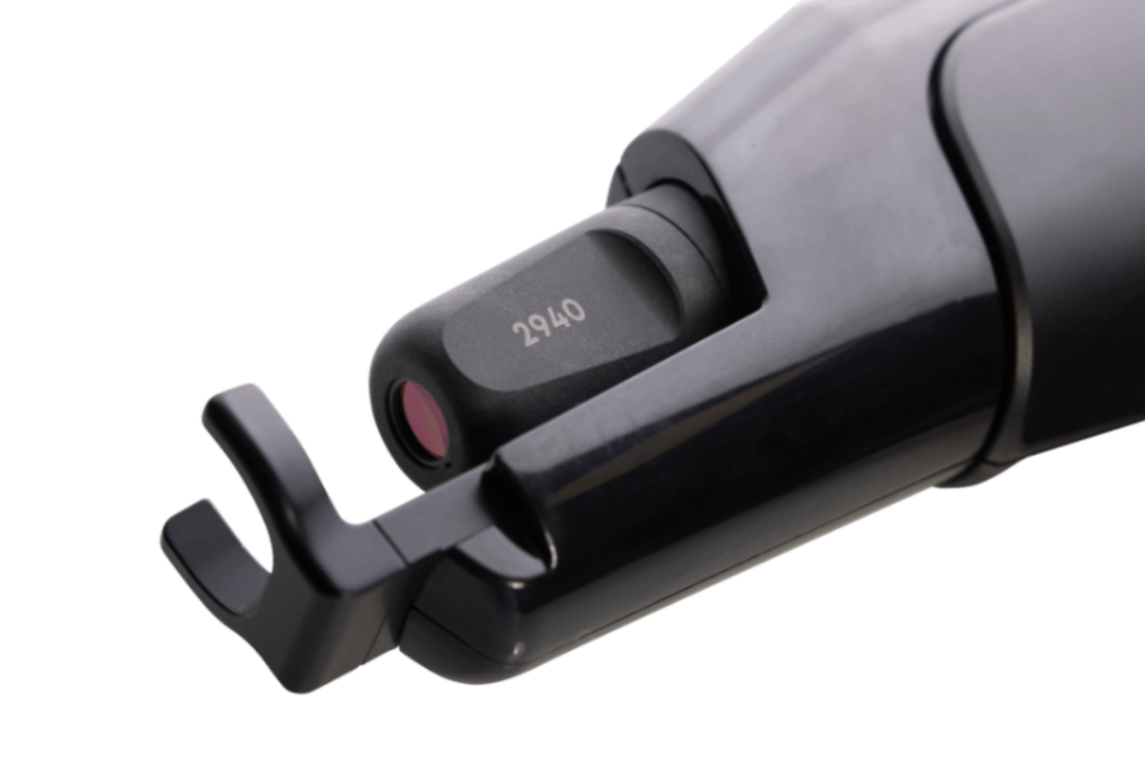
SupErb 2940: redness, swelling and pinpoint bleeding are expected, followed by crusting or flaking as the skin heals. Plan for several days of visible recovery.
ClearSkin Pro 1540: usually short-lived redness and mild swelling.
ClearLift Pro 1064: usually minimal, with mild redness that settles quickly.
Dye-VL: some redness, and any brown pigment in the area may temporarily darken before it flakes away.
Subcision: bruising and swelling are common and can take several days or more to settle.
We will give you full written aftercare and plan treatment around any important dates.
I have taken isotretinoin. Can I still have treatment?
Possibly, yes. The traditional advice was to wait at least six months after finishing. A 2017 expert task force found insufficient evidence to justify delaying non-ablative lasers, vascular lasers and non-ablative fractional devices. A separate systematic review found the same for fractional ablative procedures, although fully ablative resurfacing is still not recommended during treatment. Please tell us if you are taking it or have taken it recently, and we will agree the right timing with you.
What if I get cold sores?
Please tell us. Treatment around the mouth can trigger a flare in people who are prone to cold sores, so we may need to plan precautions in advance.
How should I prepare my skin?
Avoid sun exposure, sunbeds and fake tan before treatment.
Tell us about all the medicines and skincare you use, as some products, such as retinoids, may need to be paused beforehand.
We may recommend a skincare plan for a few weeks before treatment, particularly for darker skin tones.
What aftercare is involved?
You will need to cleanse gently, use the products we recommend and protect your skin from the sun every day. We will tell you when you can return to make-up and your usual skincare, as this varies by treatment.
When will I see results?
Redness can start to improve sooner. Texture takes longer, because your skin continues to remodel collagen for months after each treatment. We will take photographs so you can see your progress over the course.
Is treatment suitable for everyone?
We will go through your medical history carefully. Please tell us if you:
are pregnant or breastfeeding
have an active skin infection or inflammation in the area
have ever formed keloid or very raised scars
take medicines that make your skin more sensitive to light
have a tan or have had recent sun exposure
have a medical condition that affects healing
In some cases we may suggest waiting, adjusting the plan or a different approach.
Can scar treatment be combined with other treatments?
Yes. Combining treatments is often how we achieve the best results. We plan the order carefully so that your skin has time to recover between treatments.
Still have questions? Book a consultation with DG Medical Aesthetics and Skin. We will answer everything in person and create a plan that fits your skin and your life.