
Scar treatment for darker skin tones
A careful, tailored approach
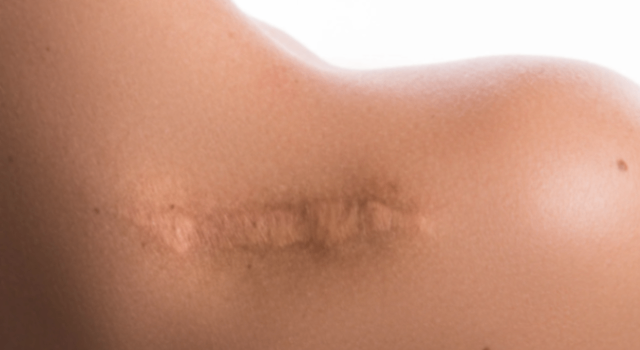
Everyone deserves access to good scar treatment, whatever their skin tone. If you have medium, brown or Black skin, though, the approach needs extra thought. Done carelessly, laser treatment can leave darker or lighter patches that may be more noticeable than the original scar. Done well, it can make a real difference.
Why skin tone changes the approach
Melanin, the pigment that gives skin its colour, absorbs light and heat. Melanin-rich skin is also more likely to respond to inflammation by producing extra pigment, known as post-inflammatory hyperpigmentation. This means that any treatment that heats or injures the skin must be carefully chosen and set.
The experts take this seriously too: the 2020 international consensus on laser treatment of traumatic scars included specific considerations for laser treatment in skin of colour.
Choosing the right technology
ClearLift Pro 1064 uses a longer wavelength that is less absorbed by pigment at the surface of the skin, which makes it a common choice for darker skin tones. It can help with gentle remodelling and with brown marks.
ClearSkin Pro 1540 is non-ablative, so it works beneath the surface without removing the top layer of skin. It generally carries less risk of pigment changes than ablative resurfacing.
SupErb 2940 can still have a role, but we use it selectively and with conservative settings, as ablative resurfacing carries a higher risk of pigment changes in darker skin.
Dye-VL is listed by the manufacturer's US clearance for skin types I to V on the Fitzpatrick scale, so it is not suitable for the deepest skin tones. We will tell you honestly whether it is right for you.
Subcision does not rely on light or heat, which makes it a useful option for tethered acne scars across all skin tones.
How we reduce the risk
Preparing your skin. We may recommend a skincare plan for a few weeks before treatment to help keep pigment stable.
A test patch. Where appropriate, we may treat a small area first and review it before a full treatment.
Gentler settings, more sessions. We often use more conservative settings over a longer course. Results take a little longer, but this approach is designed to lower the risk of pigment changes.
Sun protection. Daily broad-spectrum sunscreen before and after treatment is essential, whatever your skin tone.
Your scarring history. If you tend to form raised or keloid scars, please let us know, as this changes what we would recommend.
What results can you expect?
With the right plan, people with darker skin can see real improvements in scar texture and tone. You may need a few more sessions than someone with lighter skin, because we prioritise protecting your skin over speed. We will be clear with you from the start about what we expect and how we will review your progress.
We welcome patients of every skin tone. Book a consultation with DG Medical Aesthetics and Skin, and we will build a scar treatment plan around your skin, not the other way round.