image of pharmacy consultation room

Menopause Skin Clinic Near Solihull | Expert Nurse-Led Treatment for Hormonal Skin Change

A nurse-led, empathetic approach to navigating skin changes during perimenopause and beyond. We help you look as vibrant as you feel.

BOOK YOUR SKIN CONSULTATION

Understanding Hormonal Aging: What Is Happening to My Skin?

For many women, the changes seem to happen overnight. You wake up one day and the skincare routine that has worked for years suddenly stops delivering. Your skin might feel thinner, drier, or simply "not yours" anymore.

This is not just "aging." This is hormonal ageing, and it requires a different approach.

As we enter perimenopause (often in our early 40s), our oestrogen levels begin to decline. Oestrogen is the "guardian" of our skin, it helps maintain hydration, thickness, and collagen production. When these levels drop, our skin loses its structural support system, leading to specific, visible changes that standard moisturisers cannot fix.

Menopause Skin Treatments Available at Our Clinic

Hormonal skin change requires treatments that go deeper than topical skincare. Every patient at DG Medical Aesthetics receives a detailed one-to-one consultation before any treatment begins, with a personalised plan based on their skin's current condition, their menopausal stage, and any existing medications including HRT. Below are the evidence-based treatments we use to address the skin changes caused by declining oestrogen.

Profhilo — Deep Skin Remodelling for Collagen Loss

Profhilo is one of the most effective treatments available for the structural skin changes that accompany menopause. It is a highly concentrated hyaluronic acid biostimulator, not a filler, injected at five bio-aesthetic points on each side of the face to spread through the tissue and stimulate collagen and elastin production from within.

For menopausal and perimenopausal patients, Profhilo addresses the root cause of skin laxity rather than masking it: the loss of collagen and dermal structure that accelerates with declining oestrogen. Results build progressively over four to six weeks. A course of two treatments, four weeks apart, is standard, with a maintenance session recommended at six to twelve months.

Profhilo is also available as Profhilo Structura, which targets deeper structural support, particularly effective for jowling and neck laxity, two of the most common concerns we hear from patients in the perimenopause and postmenopause phase.

See also: Skin Boosters Near Solihull →

Polynucleotides — Regenerative Treatment for Thinning, Fragile Skin

Polynucleotides (PDRN) are one of the most significant advances in regenerative aesthetics in recent years. Derived from purified salmon DNA, they are injected into the skin to stimulate fibroblast activity — the cells responsible for producing collagen, elastin, and hyaluronic acid.
For menopausal patients, polynucleotides are particularly effective where the skin has become thin, fragile, or reactive. They improve skin quality from a cellular level, producing measurable improvements in hydration, firmness, skin tone, and resilience. The treatment is also well tolerated by sensitive skin — a common concern for women experiencing hormonal skin change.
Treatment is typically given as a course of three to four sessions, four weeks apart.

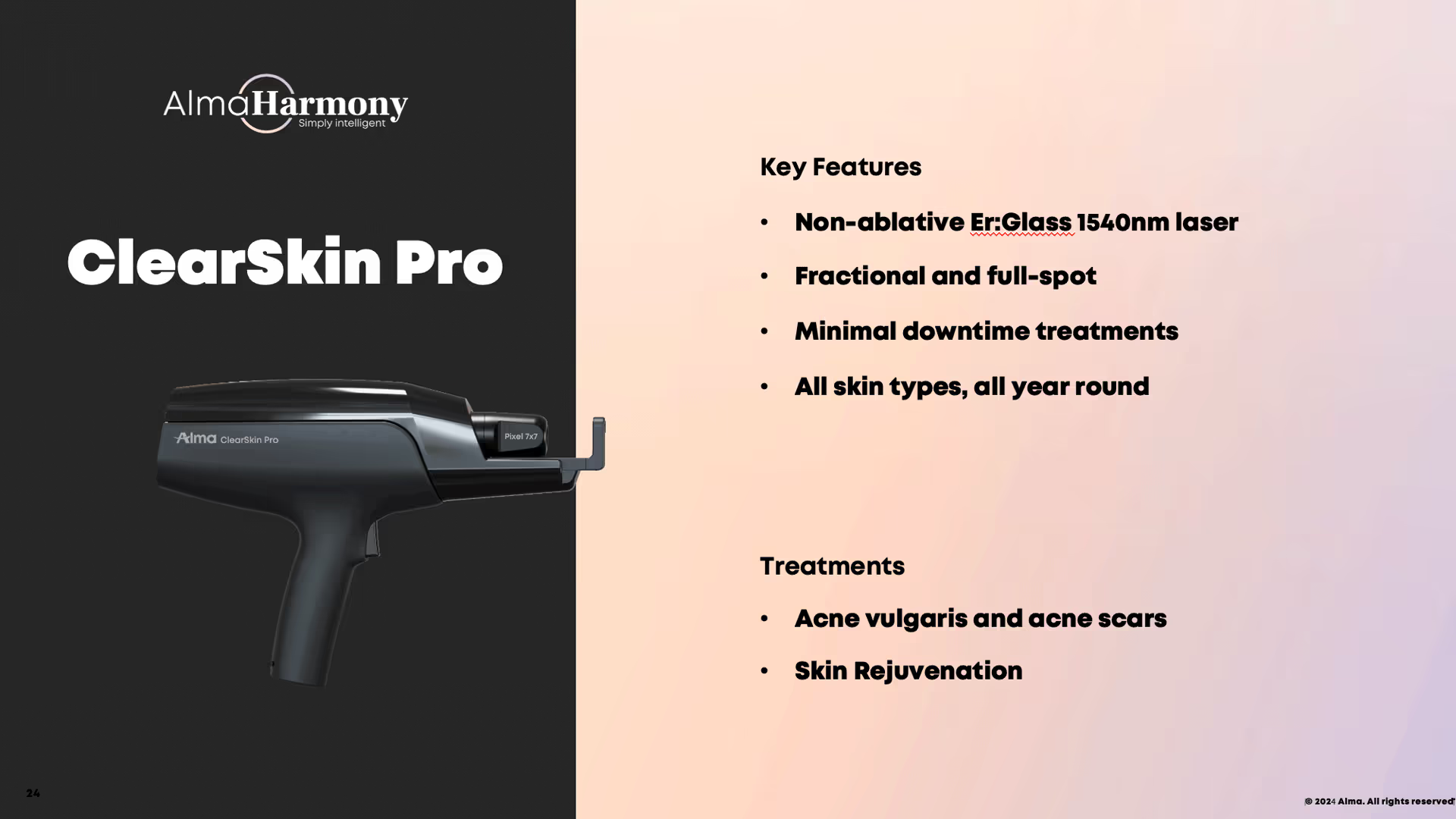
Alma Harmony — Laser Treatment for Pigmentation, Redness and Texture

Menopausal skin is particularly vulnerable to pigmentation changes, broken capillaries, redness, and uneven texture, all driven by hormonal fluctuation and reduced skin resilience. Our Alma Harmony XL Pro laser system offers a range of targeted modalities to address these concerns precisely and safely.

ClearLift provides non-ablative fractional resurfacing for fine lines and texture. Dye-VL targets vascular concerns, redness and broken capillaries, while SUPERB offers radiofrequency-based skin tightening. Treatments can be combined in a single session and tailored to your specific pattern of hormonal skin change.

As a CQC-registered clinic, we apply clinical protocols to every laser session, including a full skin assessment, appropriate skin typing, and a patch test where required.

See also: Alma Harmony at DG Medical Aesthetics →

Wrinkle Relaxing Injections — Softening Expression Lines Worsened by Oestrogen Loss

The loss of oestrogen accelerates the formation of dynamic expression lines, forehead lines, glabellar frown lines, and crow's feet, because the skin thins and loses elasticity. Wrinkle relaxing injections (botulinum toxin) remain one of the most effective, predictable ways to soften these lines.

At DG Medical Aesthetics, all wrinkle relaxing treatments are administered by registered nurses following a thorough facial analysis. We assess muscle function and skin quality together, so the result complements the patient's overall menopausal skin treatment plan rather than being treated in isolation.

Dermal Fillers — Restoring Volume Lost to Hormonal Fat Pad Atrophy

As oestrogen declines, the facial fat pads that provide three-dimensional structure to the face begin to atrophy. This produces hollowing in the temples, midface flattening, deepened nasolabial folds, and progressive jowling, changes that no skincare product can address.

Strategically placed dermal filler restores foundational support rather than simply adding volume to a wrinkle. Our approach prioritises structural restoration, rebuilding the scaffold that supports the overlying skin, using only CQC-compliant, prescription-only hyaluronic acid products.

Recognising the Changes in a Challenging Life Stage

It is incredibly common for the perimenopausal and menopausal transition to coincide with some of the busiest and most challenging years of a woman's life. This stressful period, often involving the "sandwich generation" phase (managing careers, supporting children, and caring for aging parents), means that the physical toll of declining oestrogen is compounded by elevated cortisol (the stress hormone). High cortisol actively breaks down collagen, accelerating the visible changes.

  • Common Changes to Look For:
    • Sudden or Persistent Dryness: Your usual moisturiser may suddenly feel inadequate.
    • Loss of Firmness/Sagging: Accelerated collagen loss leads to skin laxity, often first noticed around the jawline (jowls) or the neck.
    • New or Worsening Wrinkles: Fine lines and wrinkles may become significantly deeper or more fixed than before.
    • Adult Acne: Hormonal shifts can cause a relative excess of male hormones (androgens), triggering breakouts, especially along the jawline.
    • Increased Sensitivity: Skin may become easily irritated, red, or prone to flare-ups of conditions like rosacea or eczema due to a compromised barrier function.

If you are feeling overwhelmed, remember that these physical changes are a biological reality. The best way to address them is with a targeted, consistent plan.

The "OEstrogen Drop" Explained

The most critical fact to understand is this: Studies show that women lose up to 30% of their skin’s collagen in the first five years of menopause.

This rapid loss is why you see such a sudden shift in your reflection. But the good news is that this process can be managed. By understanding the biology behind these changes, we can move away from simply "covering up" signs of aging and focus on regenerating the skin's structure from within.

Our nurse-led approach is not about fighting your body; it’s about giving your skin the specific medical-grade support it needs to thrive during this transition.

Studies show that women lose up to 30% of their skin’s collagen in the first five years of menopause.
image of a peaceful acupuncture therapy room

Gold-Standard Topical Ingredients

These ingredients are the clinical powerhouses proven to signal the skin's cells (fibroblasts) to produce new collagen and protect existing collagen from degradation.

Expert Perimenopause Skincare Advice

This is where high-street beauty creams reach their limit. To truly "bank" collagen, you need to stimulate the fibroblast cells deep within the dermis.

At DG Medical Aesthetics, we specialise in collagen banking in Solihull & Birmingham. We move beyond simple "anti-aging" and focus on regenerative medicine. Whether you are in your 30s and want to pre-juvenate, or you are post-menopausal and want to repair, our goal is the same: to wake up your skin's natural repair processes.

From advanced energy devices to injectable biostimulators, we offer the most effective, evidence-based skin laxity treatment options available today to help you maintain your natural structure.

Targeted Treatment for Menopausal Skin

Diet, Supplements & Lifestyle

Why Choose a Nurse-Led Clinic for Menopause Care?

Menopause is not just a "skin type"; it is a complex physiological event that affects every system in your body, including your largest organ—your skin.

While beauty salons offer relaxation, they often treat only the surface symptoms. As a CQC registered clinic, we approach menopausal skin differently. We understand that the changes you are seeing, from thinning tissue to sudden sensitivity, are driven by deep hormonal shifts that require a medical understanding of anatomy, physiology, and pharmacology.

The Medical Advantage

At DG Medical Aesthetics, our founders are Registered Nurses with decades of medical experience. We don't just look at your skin, we look at the whole picture. We understand the delicate balance of hormones and how they impact skin structure, healing, and resilience.

This medical foundation allows us to offer:

  • Clinical Safety: We operate to hospital-level standards of hygiene and care, ensuring safe skincare treatments even for skin that has become fragile or reactive due to menopause.
  • Advanced Modalities: We are qualified to use potent, prescription-grade ingredients and energy devices that go deeper than a high-street facial to effect real structural change.
  • Holistic Care: We can discuss how your skin treatments fit alongside other aspects of your menopausal journey, such as HRT.

When you search for nurse-led aesthetics in Solihull, you are looking for more than just a treatment, you are looking for a partner who can safely guide you through these changes with empathy and clinical expertise.

What to Expect at Your Consultation

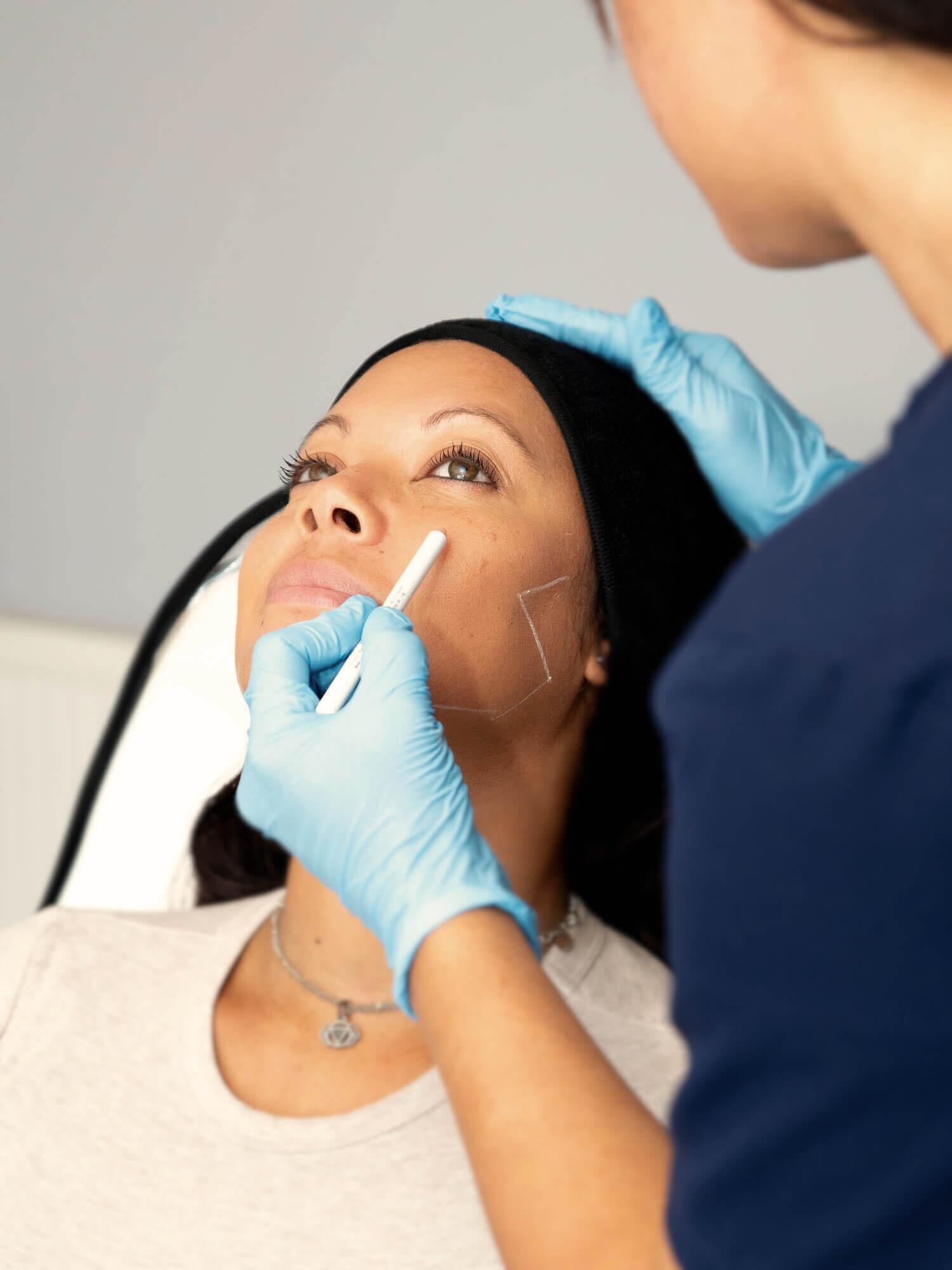
Your first appointment at DG Medical Aesthetics is a detailed, one-to-one clinical consultation — not a sales appointment. We spend time understanding your menopausal stage, your skin concerns, your medical history including any HRT, and your goals.
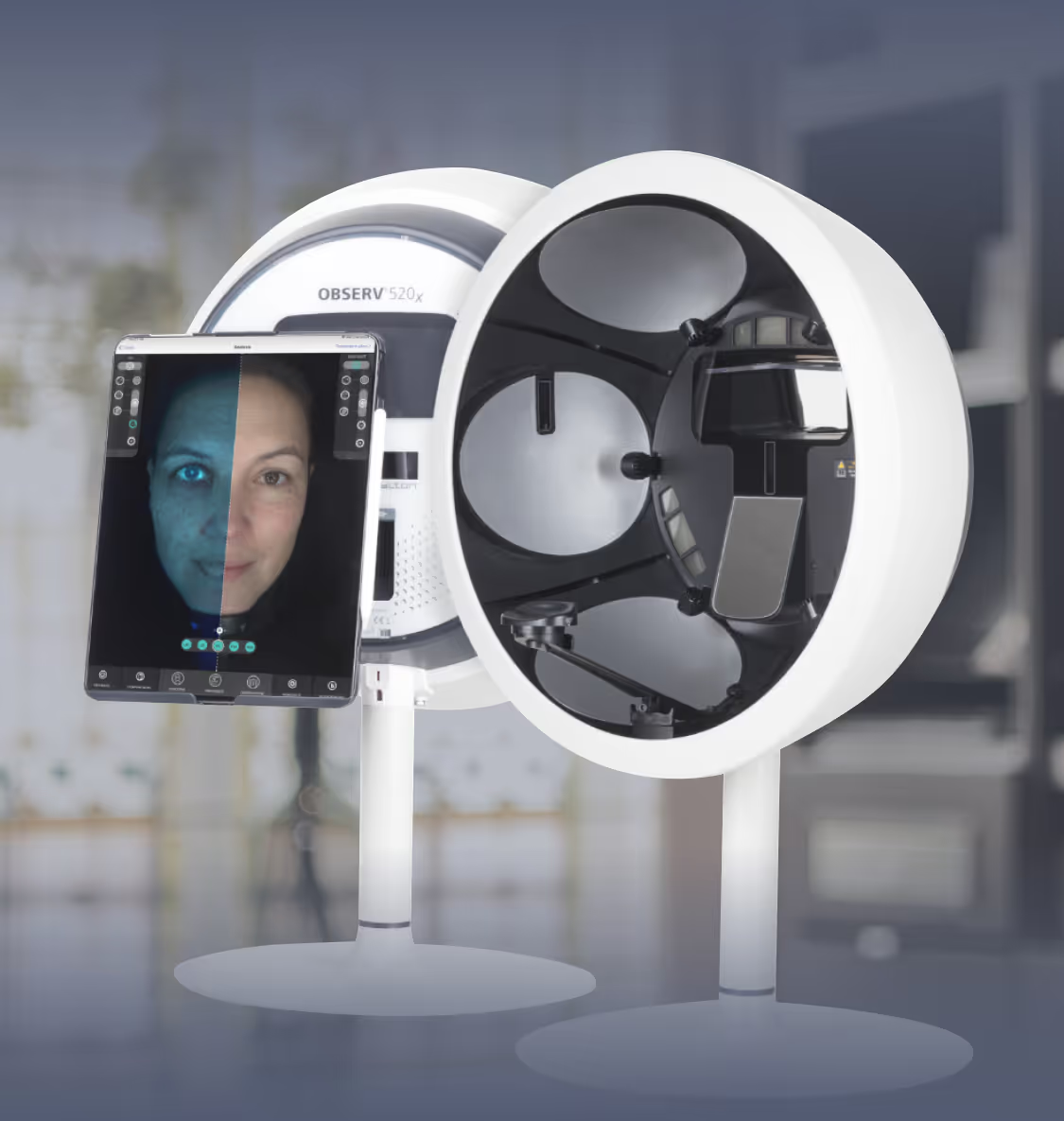
We will conduct a thorough facial analysis, assess your skin's current condition, and explain the full range of treatment options relevant to you — including the evidence behind each one, realistic outcomes, downtime, and costs.
There is no obligation to proceed at the consultation. We do not carry out same-day injectable treatments.

Consultation fee: Applies and is redeemable against treatment.
Location: 2 Oak Meadow Close, Yardley, Birmingham, B26 1EE
Travel from Solihull: 15–20 minutes via the A45 Coventry RoadHours: Monday–Friday, 9am–6pm

Book Your Consultation →

image of a medical consultation room

Frequently Asked Questions about Menopause & Aesthetics

Can I have aesthetic treatments while on HRT?

Yes, absolutely. In fact, Hormone Replacement Therapy (HRT) and aesthetic treatments often work beautifully together. HRT helps restore oestrogen levels systemically, which can slow down collagen loss, while our treatments target the skin directly to repair structure and hydration. During your consultation, we will review your medical history, including your HRT, to ensure every treatment is safe and appropriate for you

What is the best treatment for menopausal neck sagging?

The "menopausal neck" is caused by a loss of collagen and skin elasticity. We find the most effective non-surgical approach is a combination therapy. We can use Profhilo® or other products, to flood the crepey skin with hydration and stimulate tissue tightening, combined with the Alma Harmony ClearLift™ laser, which penetrates deep into the dermis to rebuild the collagen "scaffolding." This dual approach firms and lifts the area without the downtime of surgery.

How do I treat hormonal acne without harsh chemicals?

Menopausal or "hormonal" acne is often deep and cystic, meaning surface-level scrubs won't help (and can actually damage thinning skin). Instead of harsh chemicals, we recommend the Alma Harmony ClearSkin™ laser. This advanced treatment targets the source of the acne (the bacteria and inflammation) deep within the pore, while simultaneously cooling and soothing the skin. It clears breakouts effectively while preserving your skin’s delicate barrier.

My skin has become extremely dry and sensitive since perimenopause. Is it safe to have laser treatments?

Yes, but we treat the sensitivity first. The drop in oestrogen thins the skin's barrier, making it harder to hold moisture. We never perform harsh treatments on compromised skin. Instead, we may recommend a course of Polynucleotides first to repair the skin cells and reduce inflammation, or start you on a barrier-repairing medical skincare regime. Once your skin is stronger, we use the Alma Harmony ClearLift™, which is non-ablative (it doesn’t damage the surface), making it the safest laser option for fragile or reactive menopausal skin.

I keep hearing about "Collagen Banking." Is it too late to start if I am already post-menopausal?

It is never too late, but the strategy changes. "Collagen Banking" is ideally started in perimenopause (early 40s) to catch the collagen before it drops. However, if you are post-menopausal, our goal shifts from "banking" to "re-awakening." Your skin cells (fibroblasts) are still there; they are just dormant. We may use potent biostimulators like Profhilo® and energy-based devices to wake them up and force them to restart collagen production, thickening and strengthening the skin at any age.

Since hitting menopause, I feel like I look "sad" or "grumpy" even when I’m not. Can this be fixed without looking "done"?

This is one of the most common concerns we hear. It is usually caused by the shrinking of deep fat pads and bone resorption around the chin and mouth, causing the corners of the mouth to turn down (marionette lines). We treat this using our "whisper, not shout" approach. Rather than just filling the lines (which can look heavy), we use structural support—often using precise dermal filler placement on the cheek or jawline—to gently re-support the tissues and lift the mouth corners back to a neutral, rested position.