

We have all been there. You wake up to a cluster of angry red bumps on your chin or forehead. Your immediate instinct is to attack. You reach for the strongest salicylic acid cleanser, the high-percentage retinoid, or that drying clay mask you have been saving for an emergency.
But instead of clearing up, the breakout gets angrier. The skin around it turns red, flaky, or starts to sting. You assume you just need to "dry it out" more, so you double down on the harsh treatments.
If this cycle sounds familiar, pause for a moment. What if those bumps are not actually acne caused by oily skin? What if they are a distress signal from a damaged skin barrier?
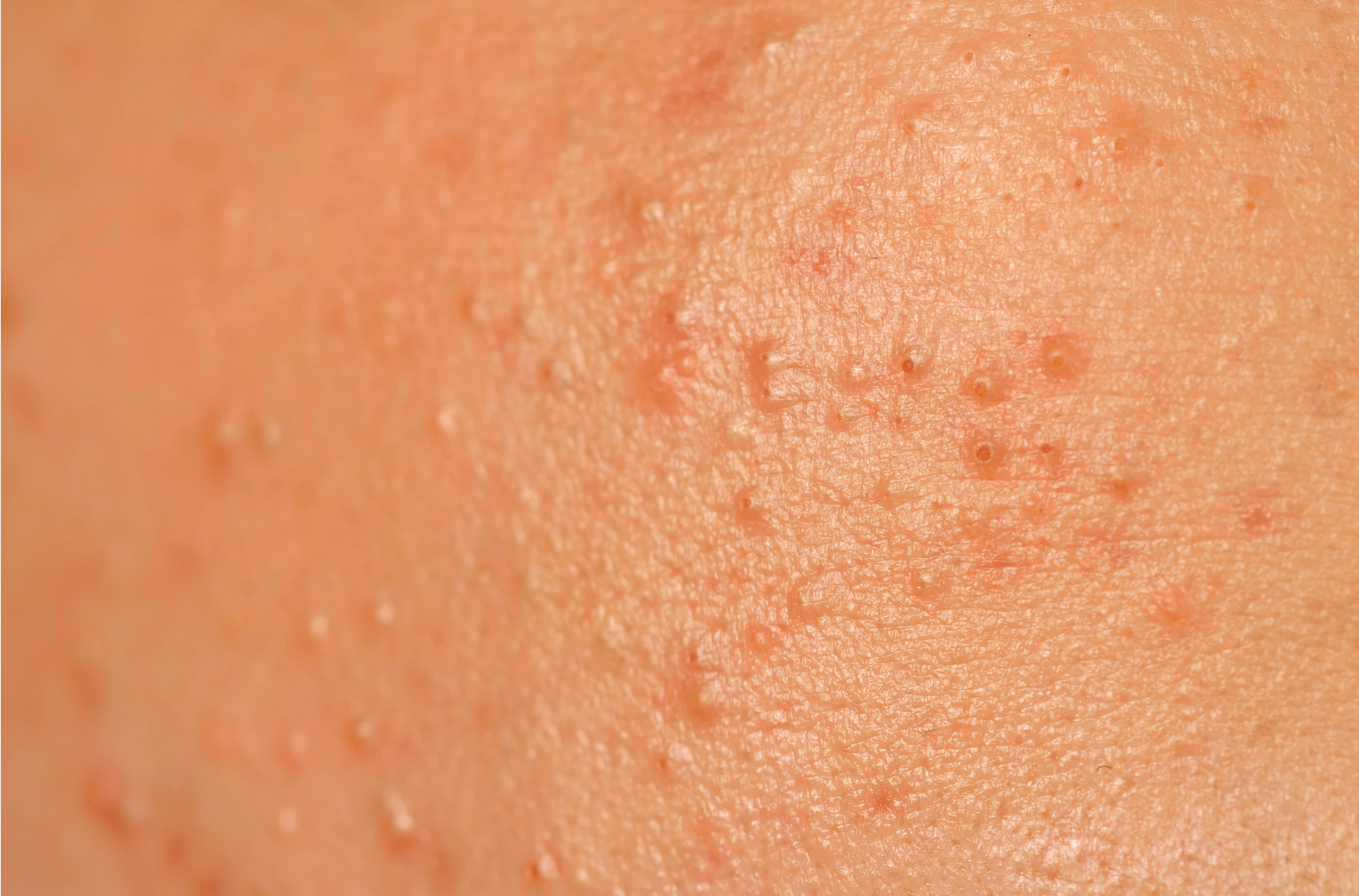
The "Brick and Mortar" of Your Face
To understand what is happening, we need to look at the stratum corneum, also known as the moisture barrier. Think of this as a brick wall.
When this wall is intact, it keeps hydration in and irritants (like bacteria and pollution) out. It is smooth, plump, and calm.
However, when you strip away that "mortar" via over-exfoliation, harsh weather, or using too many actives, the wall develops cracks. Moisture escapes, leaving your skin dehydrated, and bacteria enters freely.
The Great Imposter: Barrier Damage vs. Acne
The confusion arises because a damaged barrier often looks exactly like acne. When the barrier is compromised, the skin becomes inflamed and susceptible to bacteria, leading to small, red, rash-like bumps or whiteheads.
Because these look like spots, we treat them like spots. We apply benzoyl peroxide or exfoliating acids. These ingredients strip the barrier further, creating more cracks, allowing more bacteria in, and causing more bumps. It is a vicious cycle.
Checklist: Is Your Barrier Broken?
Before you apply another spot treatment, check your skin against these symptoms. You might be dealing with barrier damage if:
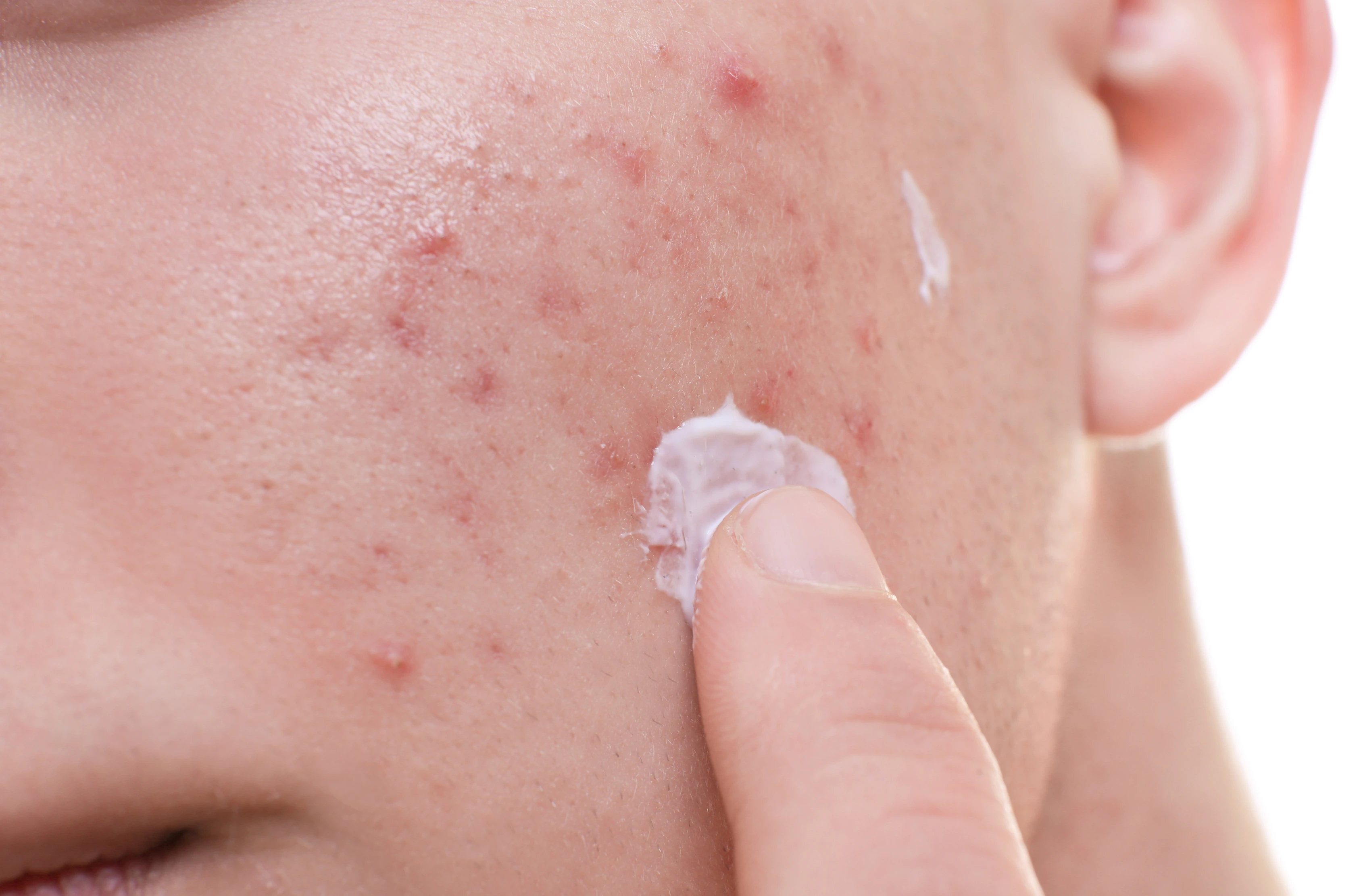
How to Fix It: The "Do Nothing" Approach
If you suspect your barrier is compromised, the solution is counter-intuitive. You must stop "treating" the breakout. You need to focus entirely on repair.
1. Stop the Actives
Put down the glycolic acid, the retinol, and the vitamin C. Give your skin a holiday from active ingredients for at least two to four weeks.
2. Hydrate, Hydrate, Hydrate
Look for ingredients that mimic your skin's natural "mortar."
3. Occlusives are Your Friend
At night, you might want to "slug" or use a thicker moisturiser. This creates a physical seal over the skin to prevent water loss while you sleep.
4. Gentle Cleansing
Switch to a milky or creamy cleanser that does not foam. If your skin feels tight after washing, your cleanser is too strong.
Listen to Your Skin
It usually takes about a month for the skin barrier to repair itself. During this time, it requires patience. It can be terrifying to stop using acne treatments when you see bumps, but if the root cause is irritation, soothing the skin is the only way to clear it.
Treat your skin like silk, not like denim. Be gentle, keep it hydrated, and listen when it asks for help.