
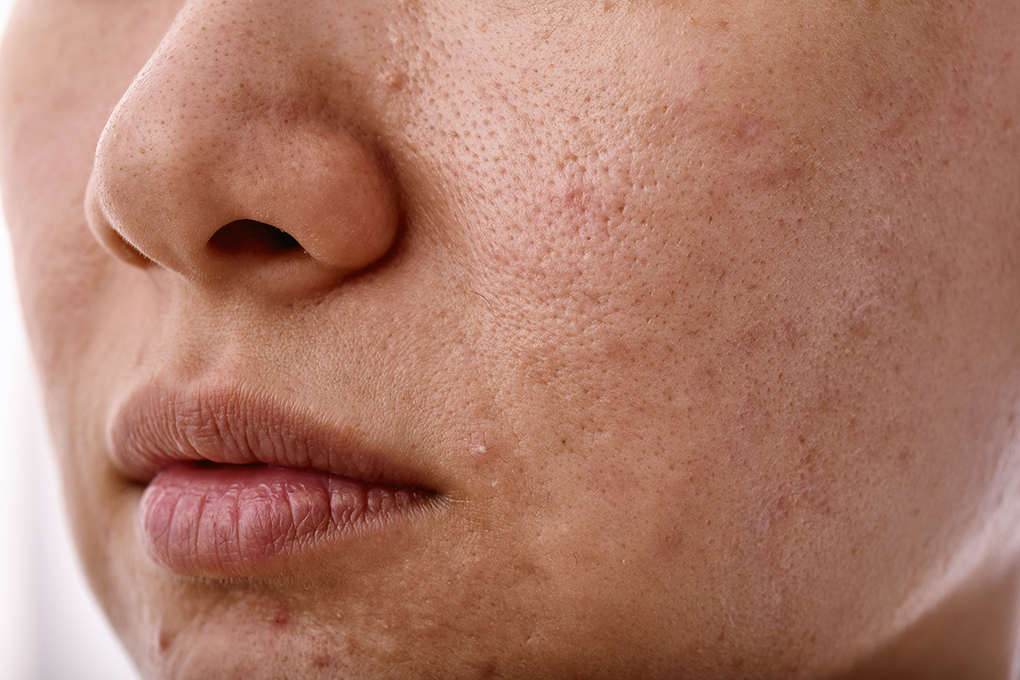
Understanding Pigmentation
Hyperpigmentation is an inflammatory response where melanocytes produce excess melanin as a protective measure. It can make the skin appear older and tired, but can be effectively managed with targeted light energy and professional skincare.
What Causes It
Common Types
Solar Lentigines (Sunspots)
Chronic UV exposure over time deregulates melanin production, leading to well-defined dark spots on areas most exposed.
Post-Inflammatory Hyperpigmentation (PIH)
Occurs after injury or inflammation (acne, bug bites). The skin produces excess melanin at the site of trauma as it heals.
Melasma
A complex combination of hormonal shifts combined with UV and visible light exposure, creating symmetrical patches on the face.
How We Assess It
Every patient begins with a 60-minute consultation with a registered nurse, not a salesperson. We map the skin with Observe520X imaging, which shows hydration, collagen density, vascular activity and pigment sitting below the surface that is not yet visible to the eye. That is what a treatment plan is built from.
We do not treat on the day of a first consultation. You go home with a written plan and a full cost, and you come back only when you are certain. Injectable treatments are prescribed by an Independent Nurse Prescriber, and the clinic holds full CQC registration, which places us under the same regulatory framework as a GP surgery.
If the right answer is that a treatment will not help you, or that you need a referral rather than a course, we will say so.
Treatments We Use
Alma Harmony Dye-VL
Precisely targets unwanted pigment in sun spots and vascular lesions, safely breaking it down to be naturally cleared by the body.
Chemical Peels
Utilising medical-grade acids to exfoliate pigmented layers of the epidermis and lift stubborn dark spots.
Microneedling
Creates micro-channels to allow brightening agents to penetrate deeper while the healing response promotes pigment clearance.
SupErb Laser Resurfacing
For textural sun damage accompanying pigment, fractional resurfacing removes damaged tissue and prompts even remodelling.
Pigmentation Treatment Pricing
From £150
- Dye-VL, per sessionFrom £150
- SupErb resurfacing, per sessionFrom £600
- Skin assessment£50
- Observe520X pigment mappingIncluded
- Patch testRequired before treatment
Dye-VL sessions start at £150 and most pigment responds best to a course of three to five. Melasma is treated differently from sun damage and needs a more conservative approach, which is why we map the pigment with Observe520X before recommending anything.
Supporting It at Home
In-clinic treatment does the heavy lifting, but what you do daily determines how well the result holds. These are the categories that matter for this concern.
| Strategy | Clinical Benefit | Ingredients |
|---|---|---|
| Pigment Inhibition | Inhibits the enzyme that creates melanin | Tyrosinase Inhibitors |
| Brightening Support | Interrupts pigment transfer and clears existing spots | Vitamin C & Niacinamide |
| Enhanced Protection | Prevents new pigment formation from trigger light | Broad-Spectrum SPF 30+ |
Our Recommendation
Treating pigmentation requires patience and a personalised plan. We recommend prioritizing strict daily sun protection and layering tyrosinase inhibitors with in-clinic Laser or Peel treatments to expedite the clearing process and restore a radiant tone.
Pigmentation Questions
How much does pigmentation treatment cost near Solihull?
Dye-VL sessions start at £150 at our Yardley clinic, around 15 minutes from Solihull. Most pigmentation responds best to a course of three to five sessions. Your £50 skin assessment includes Observe520X imaging, which shows pigment sitting below the surface that is not yet visible.
Can you treat melasma with laser?
Carefully, and not always as a first step. Melasma is hormonally driven and heat-sensitive, so aggressive light treatment can worsen it. Where laser is appropriate we use conservative Dye-VL settings alongside topical tyrosinase inhibitors and strict sun protection. If your pigment is melasma rather than sun damage, we will say so, because the two are treated very differently.
What is the difference between sun spots and melasma?
Sun spots are well-defined, discrete patches caused by cumulative UV exposure, usually on the face, hands and décolletage. Melasma is symmetrical, diffuse and blotchy, typically across the cheeks, forehead and upper lip, and is driven by hormonal change interacting with light. Sun spots generally clear well with laser. Melasma is managed rather than cured.
How many sessions will I need?
Typically three to five Dye-VL sessions spaced three to four weeks apart, though this depends on how deep the pigment sits and what is causing it. We give you a realistic session estimate at consultation rather than after you have committed.
Will the pigmentation come back?
It can, and daily broad-spectrum SPF is what determines whether it does. Laser clears existing pigment but does nothing to stop new pigment forming. Patients who maintain sun protection hold their results for years; patients who do not will see it return.
Is pigmentation treatment available near Solihull?
Yes. We treat pigmentation from our CQC-registered clinic in Yardley, Birmingham, roughly 15 to 20 minutes from Solihull town centre via the A45 Coventry Road.
Start With an Assessment
£50. An hour with a registered nurse, Observe520X skin imaging, and a written plan with the cost set out before you decide anything.