
Is Aesthetics Regulated in England? The 2026 Guide
What patients should check in 2026
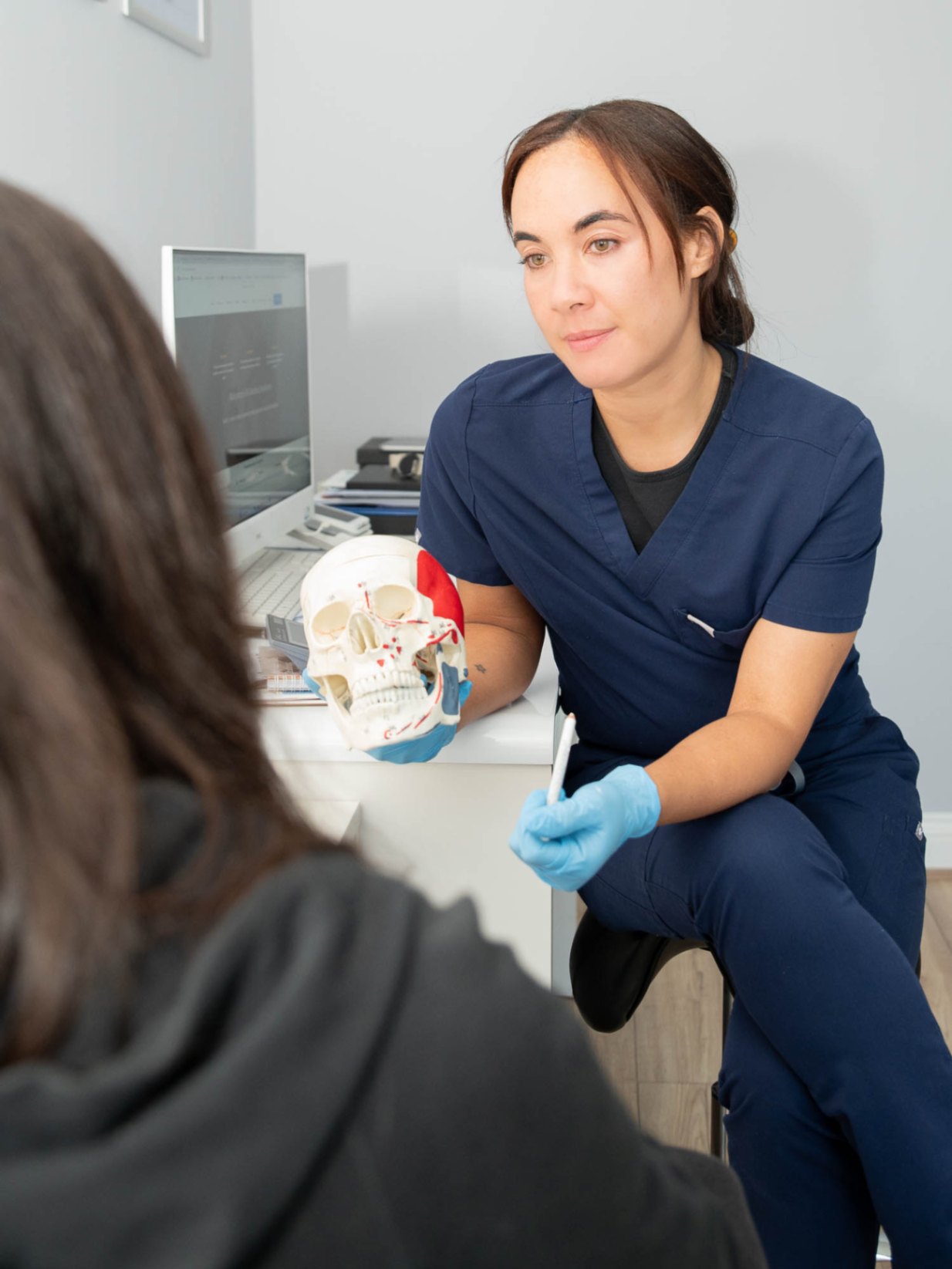
If you have tried to work out how aesthetic treatments are regulated in the UK, you are not alone in feeling confused. Rules are changing, they differ between England, Scotland and Wales, and some headlines make it sound as though new laws are already in force when they are not. Here is a plain-English guide to where things stand, and how to check your practitioner today.
The short answer
In England, a national licensing scheme for non-surgical cosmetic treatments such as anti-wrinkle injections and dermal fillers has been confirmed in principle, but it is not yet in force. Until it is, the most reliable ways to protect yourself are to check your practitioner's professional registration and the clinic's accreditations.
What is changing in England?
The Health and Care Act 2022 gave the government the power to create a licensing scheme for non-surgical cosmetic procedures in England. In August 2025, the government confirmed a three-tier Red, Amber, Green model based on clinical risk.
Under the proposals:
Green and amber procedures would be licensed by local councils. Anti-wrinkle injections and dermal fillers are currently proposed to sit in these tiers.
Red procedures, the highest-risk treatments, would be brought under CQC regulation and carried out only by suitably qualified, regulated healthcare professionals.
There is no start date yet, and further consultation on the detail is expected. In February 2026, a cross-party committee of MPs called on the government to move faster.
What is already in force?
Some important protections already apply:
No injectables for under-18s. It has been illegal in England since October 2021 to give anti-wrinkle injections or dermal fillers to under-18s for cosmetic purposes.
No remote prescribing. Since 1 June 2025, prescription-only cosmetic injectables such as anti-wrinkle treatments cannot be prescribed remotely. Nurse prescribers must see you face to face before prescribing.
What about Scotland and Wales?
Scotland passed its own law in 2026, which introduces licensing for non-surgical treatments and bans dermal fillers, strong chemical peels and injectables for under-18s. Wales has already introduced a licensing scheme for certain "special procedures". The changes in Scotland are expected to influence the rest of the UK.
How to check your practitioner today
Professional registration. Ask whether your practitioner is a registered healthcare professional. Nurses are registered with the NMC, doctors with the GMC, dentists with the GDC and pharmacists with the GPhC. You can check each register online.
Prescriber status. Anti-wrinkle injections are prescription-only medicines. Ask who is prescribing them, and make sure you meet that person face to face.
Clinic registration. Some clinics choose to register with the Care Quality Commission (CQC), which inspects services against national standards.
Accreditation. Voluntary registers such as Save Face assess practitioners and clinics against set standards.
Products. Ask which product will be used and where it comes from. A reputable practitioner will tell you happily.
Where DG Medical Aesthetics stands
We did not wait for regulation to set our standards. Both of our practitioners are NMC-registered nurses and independent prescribers. Our clinic is registered with the CQC, accredited by Save Face, and every treatment starts with a face-to-face consultation. We will keep you updated as the new licensing scheme develops.