
Laser for pigmentation: what does the evidence actually say?
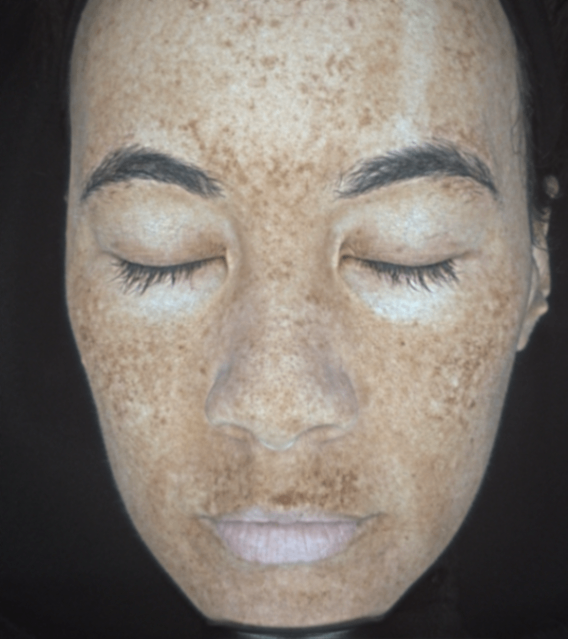
Pigmentation, whether sun damage, age spots or melasma, is one of the most common concerns raised in consultations, and autumn and winter are genuinely the best time to treat it, since lower UV exposure reduces the risk of the treatment triggering more pigmentation rather than less.
Laser and IPL (intense pulsed light) treatments work by targeting melanin, the pigment in skin, with specific wavelengths of light that the pigment absorbs and surrounding skin doesn't. At the clinic we use the Alma Harmony platform, which combines IPL with a Q-switched Nd:YAG laser handpiece, letting us tailor the wavelength and settings to the type of pigmentation and skin tone being treated.
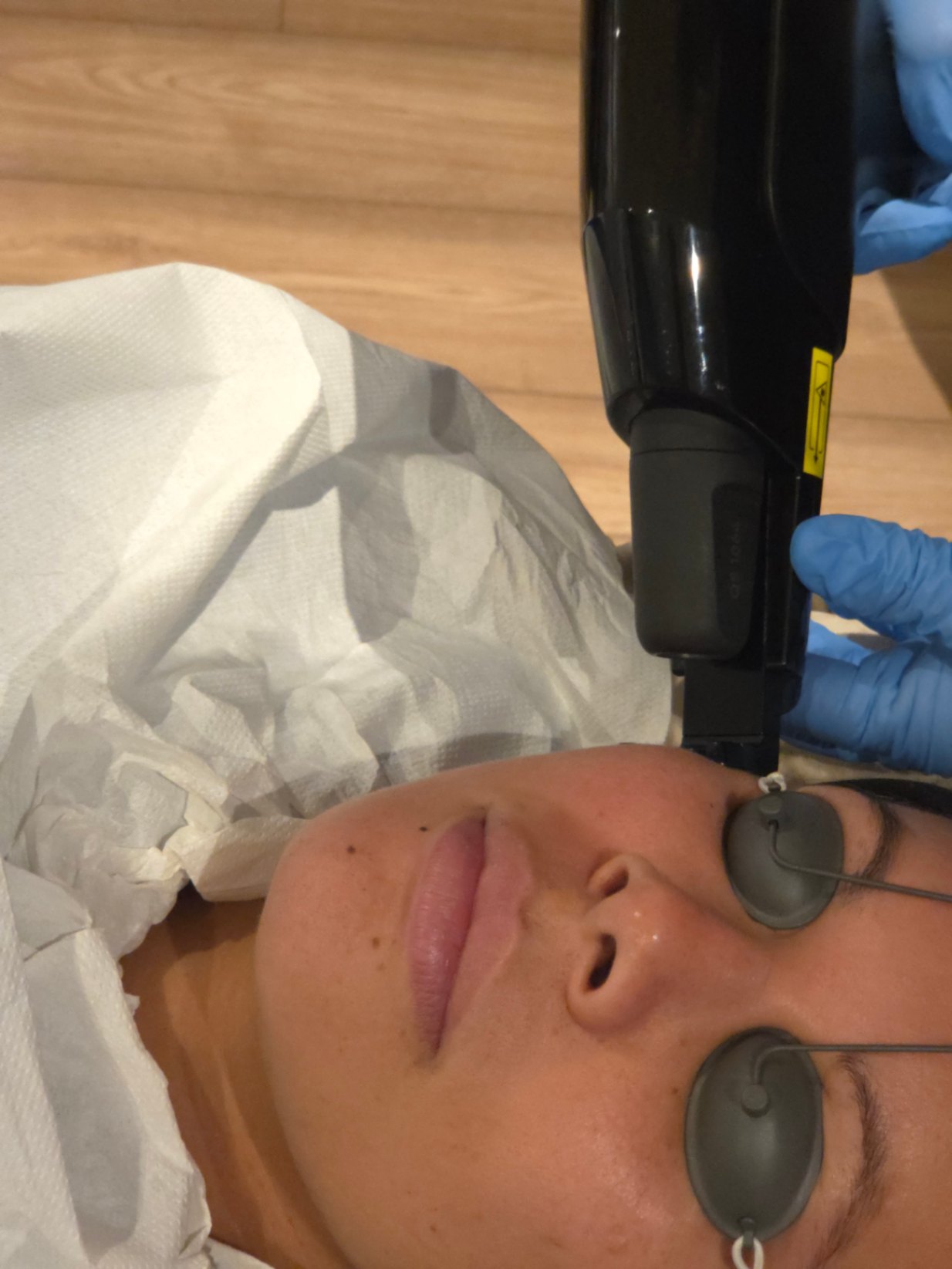
The evidence for combining these modalities is genuinely strong. A 2026 systematic review and meta-analysis in Frontiers in Medicine pooled 31 studies covering 2,801 patients (predominantly Fitzpatrick skin types III to V) treated for melasma. Combination therapy using Q-switched laser plus IPL achieved a clinical efficacy rate of 92%, compared with 77.4% for monotherapy alone, and recurrence at follow-up was lower too (8.5% versus 17.8%). Encouragingly, the incidence of adverse events was comparable between the combined and single-modality treatments, so the improved results didn't come at the cost of increased risk.
That said, melasma deserves a particular note of caution. Unlike sun-induced freckling or solar lentigines, which tend to respond predictably and durably to laser or IPL, melasma is driven by hormonal and vascular factors as well as UV exposure, and it has a well-documented tendency to recur, sometimes worsened by light-based treatments if they're too aggressive for the individual's skin type. Established dermatology guidance places sun protection and, where appropriate, topical treatments as the foundation of any melasma management plan, with laser used as an adjunct rather than a standalone fix, and settings adjusted carefully for darker skin tones to reduce the risk of post-inflammatory hyperpigmentation.
This is exactly why we don't treat pigmentation without a proper assessment first. The Observ 520x imaging system we use in consultations includes a dedicated setting that reveals pigmentation sitting beneath the visible surface of the skin, helping us judge how deep it sits and plan a realistic, evidence-based course of treatment, typically four to six sessions, rather than promising a quick fix.
If pigmentation is something you'd like assessed properly before the darker months turn back to spring sun, now is a sensible time to book in.