Skin boosters vs dermal filler: what's actually different?

One of the most common questions we get in consultations at DG Aesthetics and Skin is what actually separates a "skin booster" from "filler". They're both hyaluronic acid (HA) based, both injectable, and both used to treat signs of ageing, so the confusion is understandable. Clinically, though, they work in quite different ways and solve different problems.
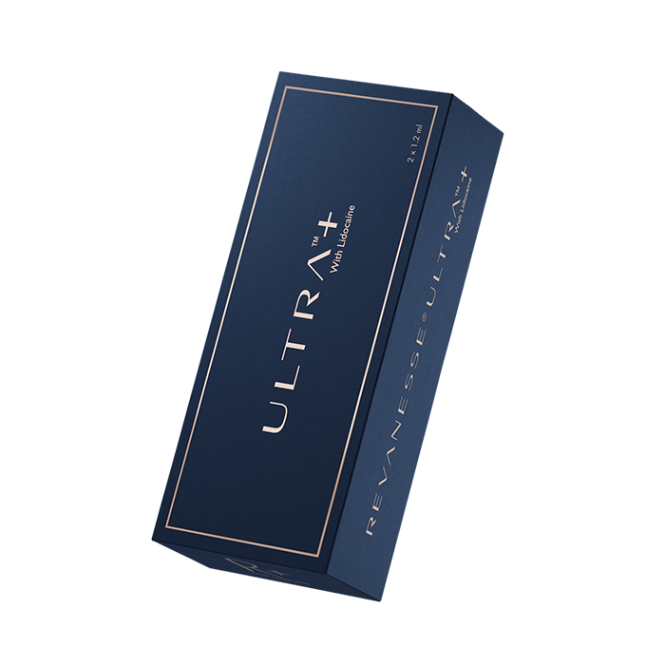
Dermal filler is made from HA that has been heavily cross-linked, increasing its viscosity and cohesivity. That structure allows it to sit where it's placed and physically add volume and support: filling a hollow cheek, restoring lost lip volume, or softening a deep nasolabial fold. It's placed at specific, targeted points chosen for their structural effect.
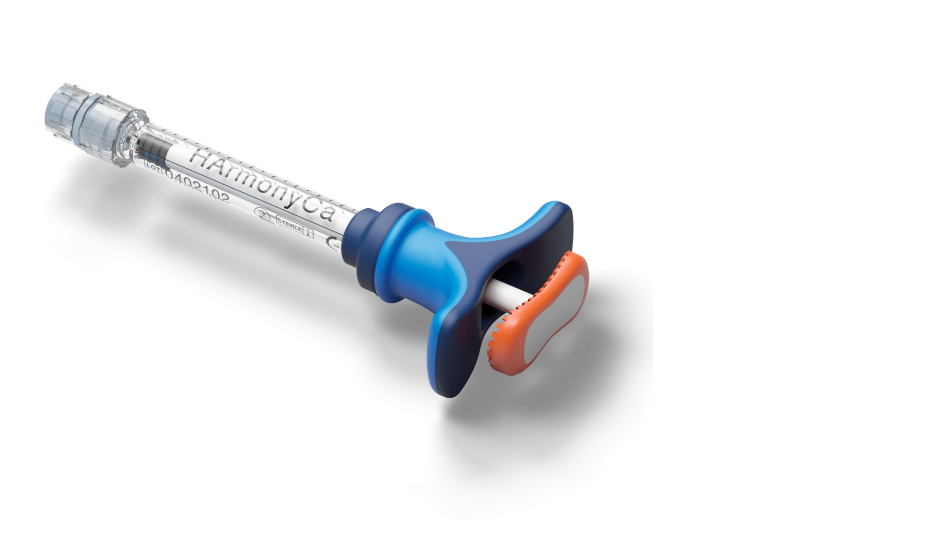
Skin boosters (we use Skinvive at the clinic) are formulated very differently: a lower-viscosity, often lightly cross-linked or hybrid HA that's injected across an area in a series of small micro-droplets rather than at specific structural points. Because HA is highly hygroscopic (it binds many times its own weight in water), the aim isn't to add bulk but to improve hydration, elasticity and overall skin quality by drawing water into the dermis and stimulating fibroblast activity.
It's worth being honest about the evidence base here, because it's still developing. A triple-blind, split-face randomised controlled trial published in Aesthetic Plastic Surgery in 2026 tested a leading bio-remodelling HA product against a saline placebo in 12 women aged 45 to 65. At 60 days, ultrasound measurements of dermal thickness improved significantly on both the treated and the placebo side, meaning the active treatment didn't clearly outperform saline on that objective measure. Patients did report a significant psychological/satisfaction benefit overall, though over half also expressed some dissatisfaction with the visible result. It's a small study, not the final word, but a useful reminder that skin boosters tend to deliver a subtle, gradual improvement in texture and glow rather than a dramatic, filler-like change, and results vary between individuals.
In practice, we tend to recommend skin boosters for early signs of ageing: dehydration, fine lines, dullness or reduced elasticity, particularly where there's no significant volume loss to address. Dermal filler is better suited where there's genuine structural volume loss or contouring to correct. Many patients benefit from a combination of both, planned around what your skin actually needs rather than a one-size-fits-all approach.
The best starting point is a proper skin assessment. At DG Aesthetics we use the Observ 520x imaging system to look beneath the surface before recommending any treatment plan, so you're not guessing between the two.